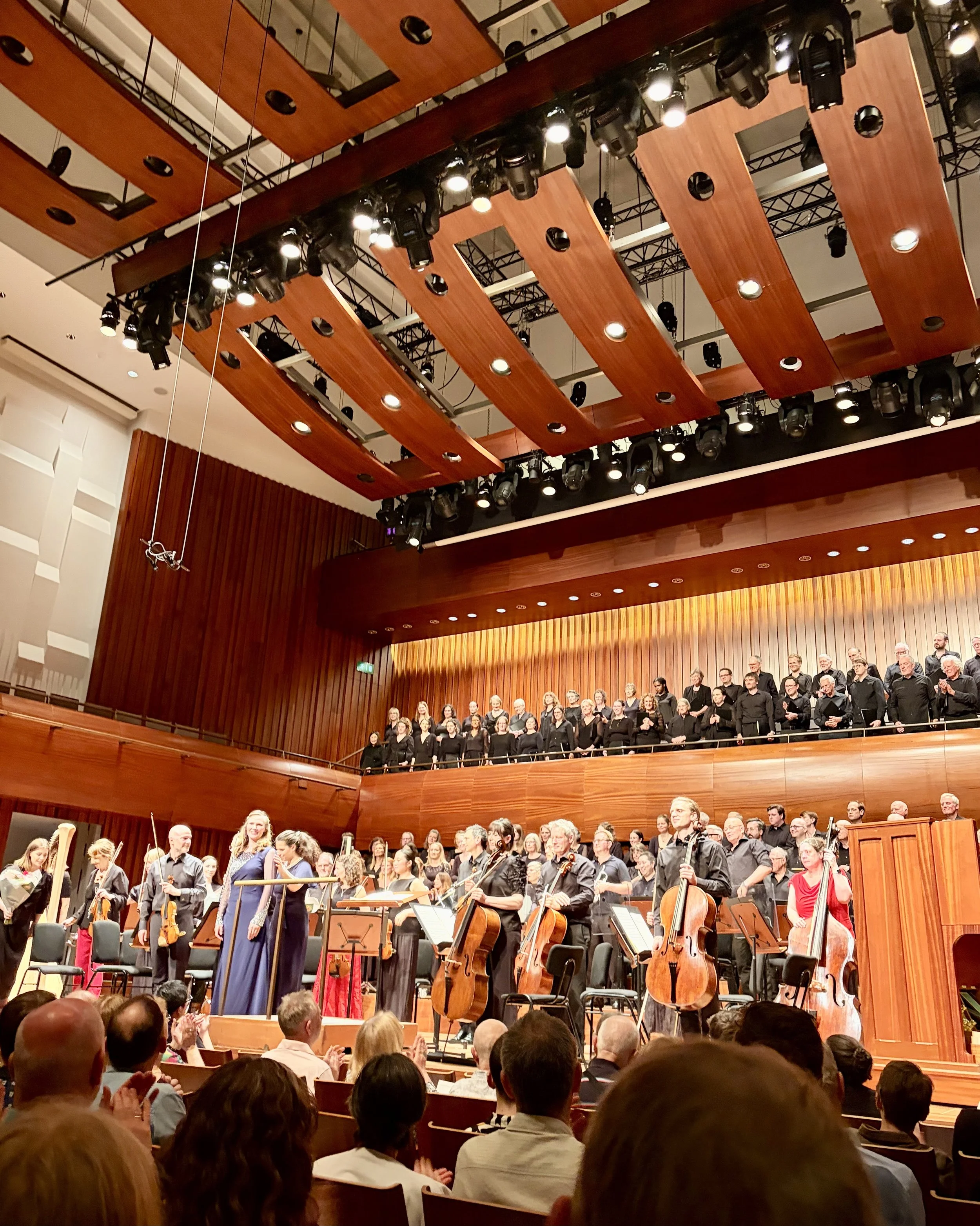
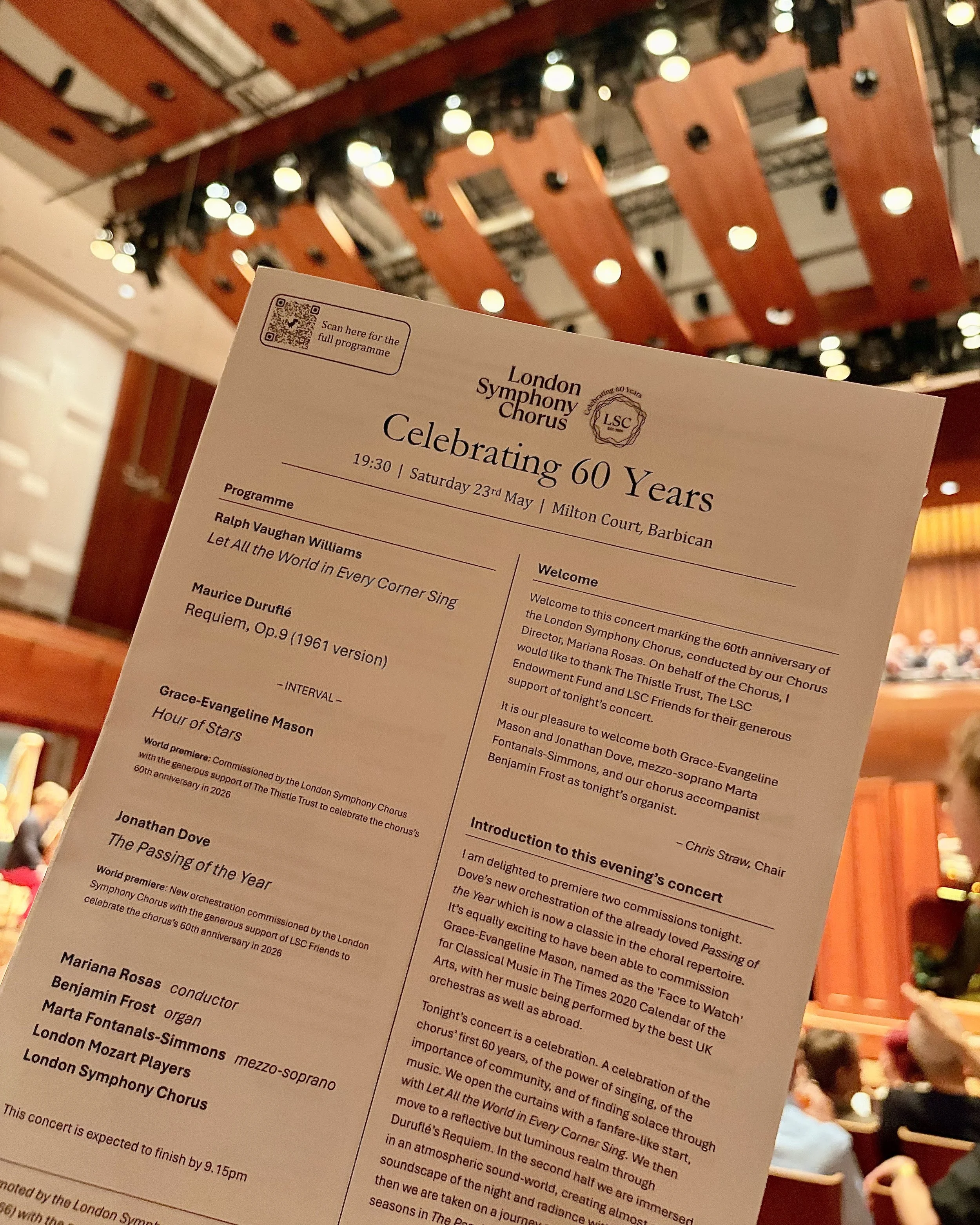
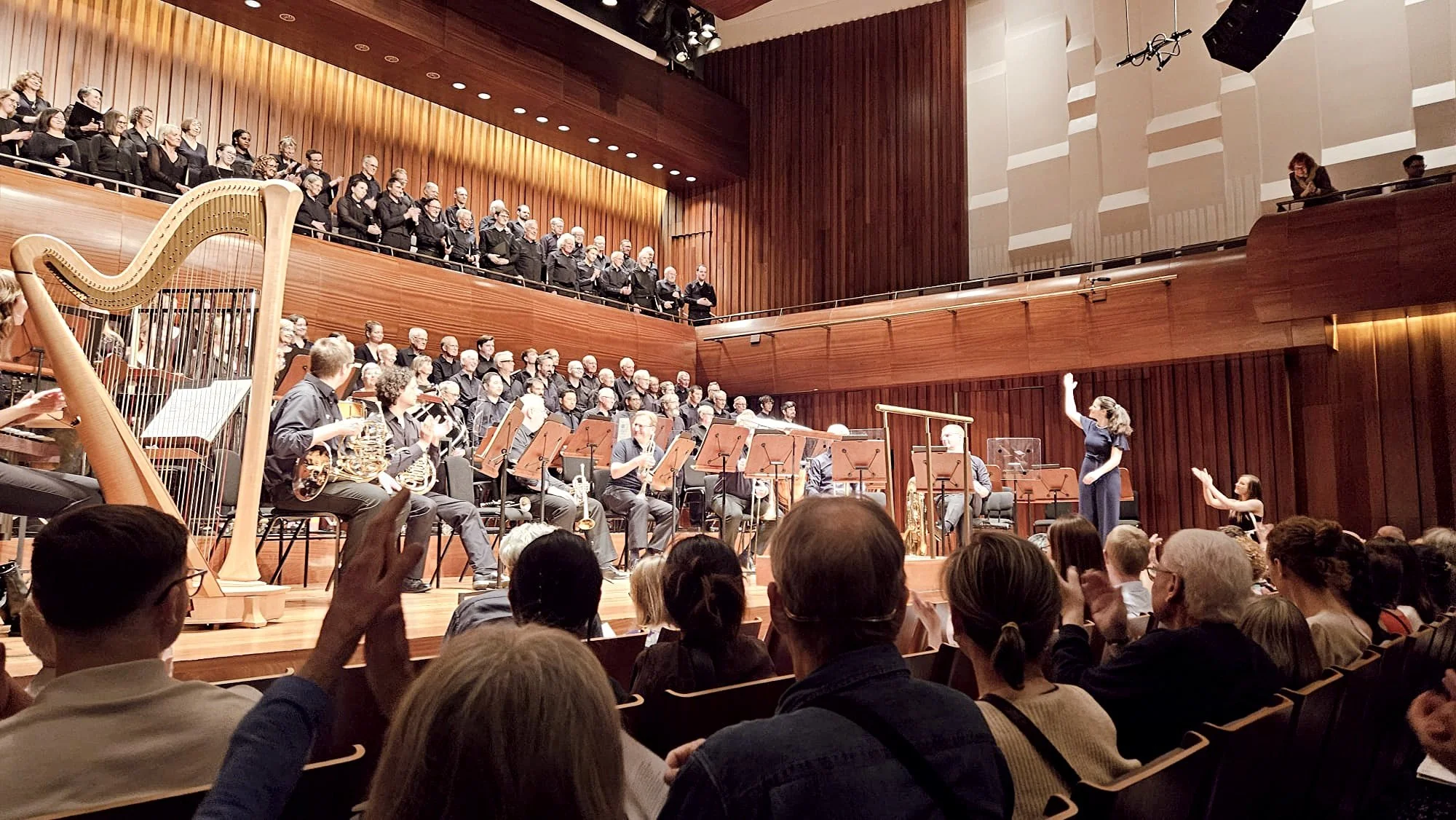
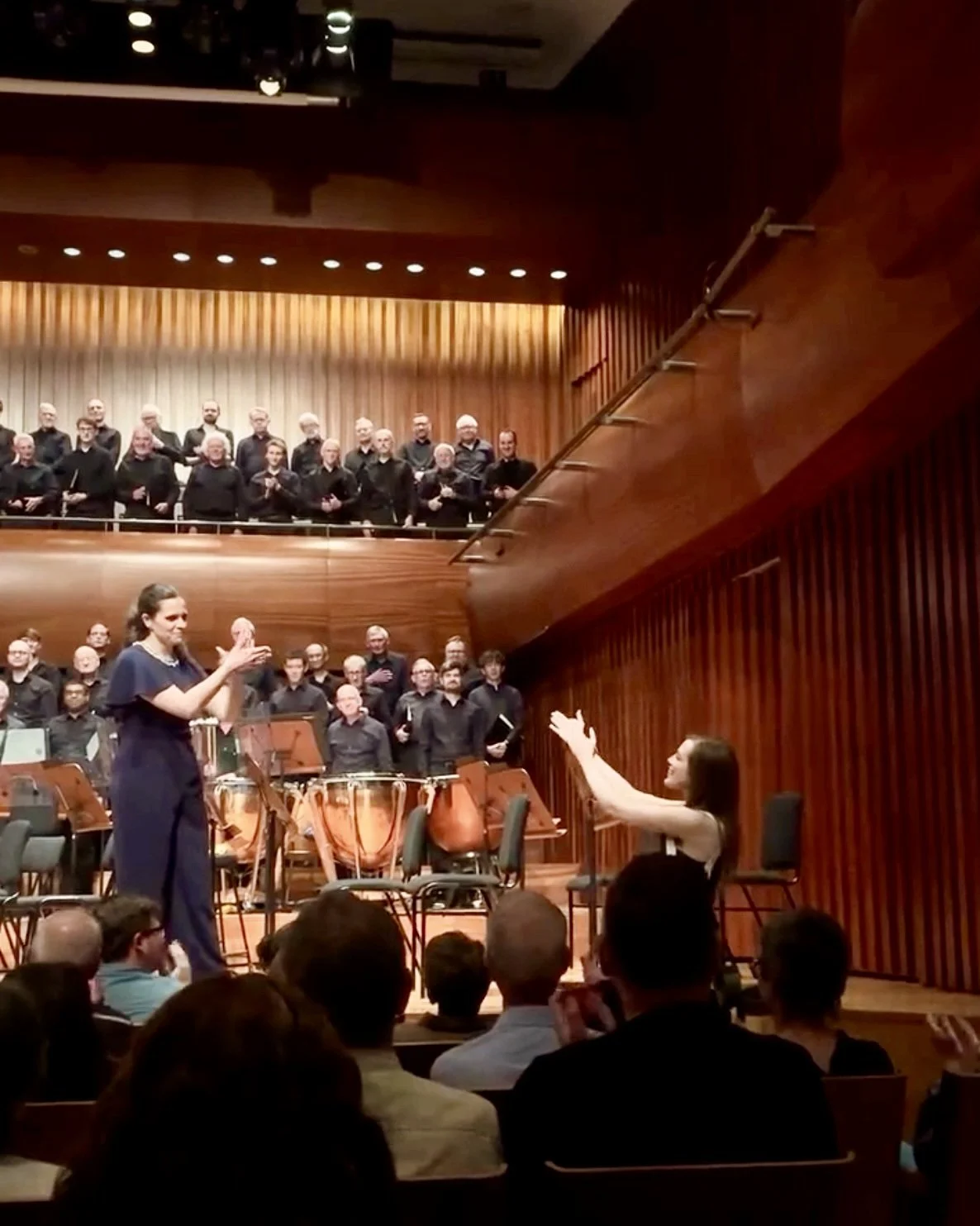
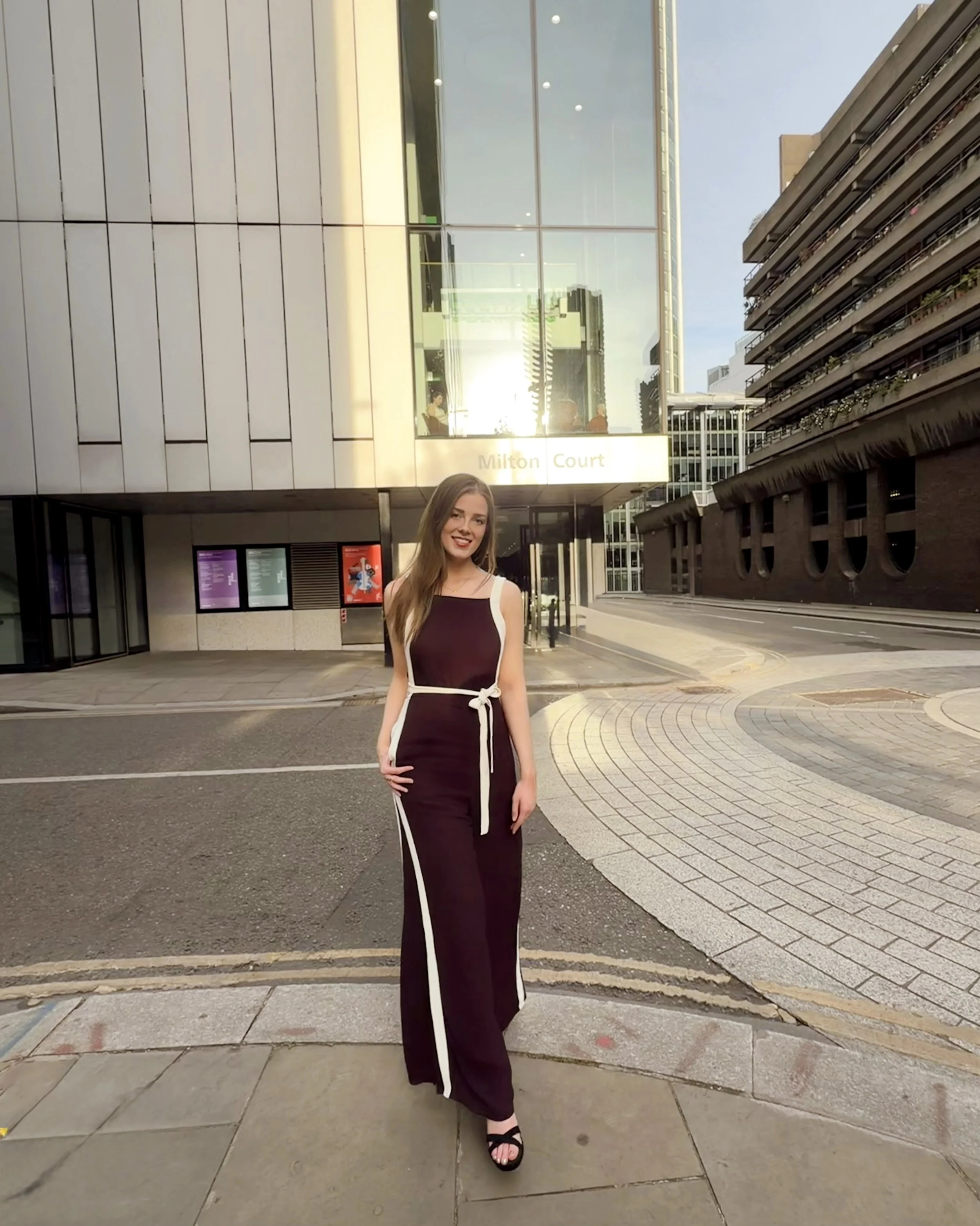
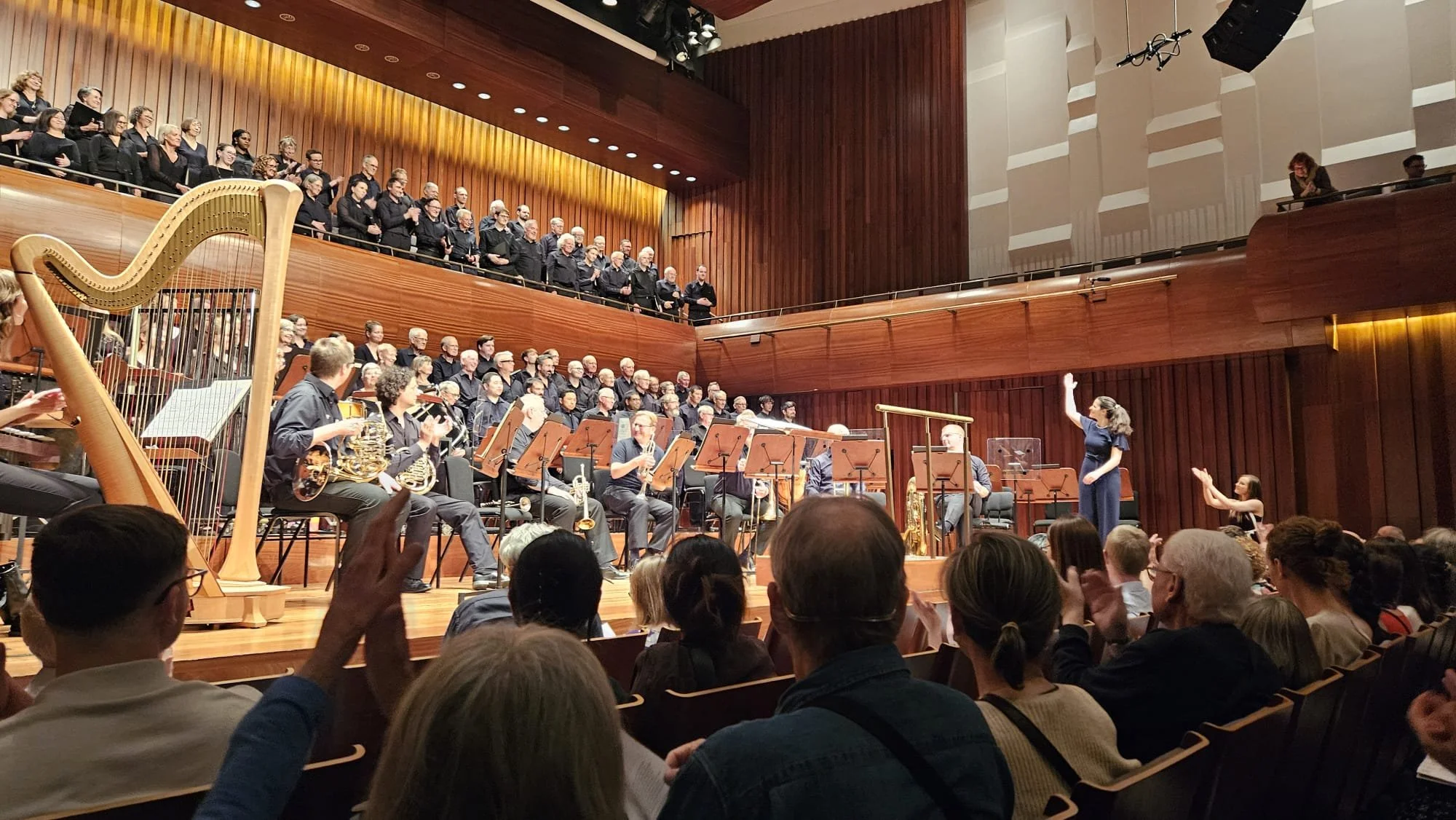
Saturday night saw the world premiere of Hour of Stars for choir, brass septet, harp, and percussion, commissioned by the London Symphony Chorus (LSC) to celebrate their 60th anniversary. The concert, conducted by the LSC’s Chorus Director, Mariana Rosas, with musicians from the London Mozart Players, took place at Milton Court Concert Hall in a programme including the world premiere alongside Duruflé’s Requiem and a new arrangement of Jonathan Dove’s The Passing of the Year.
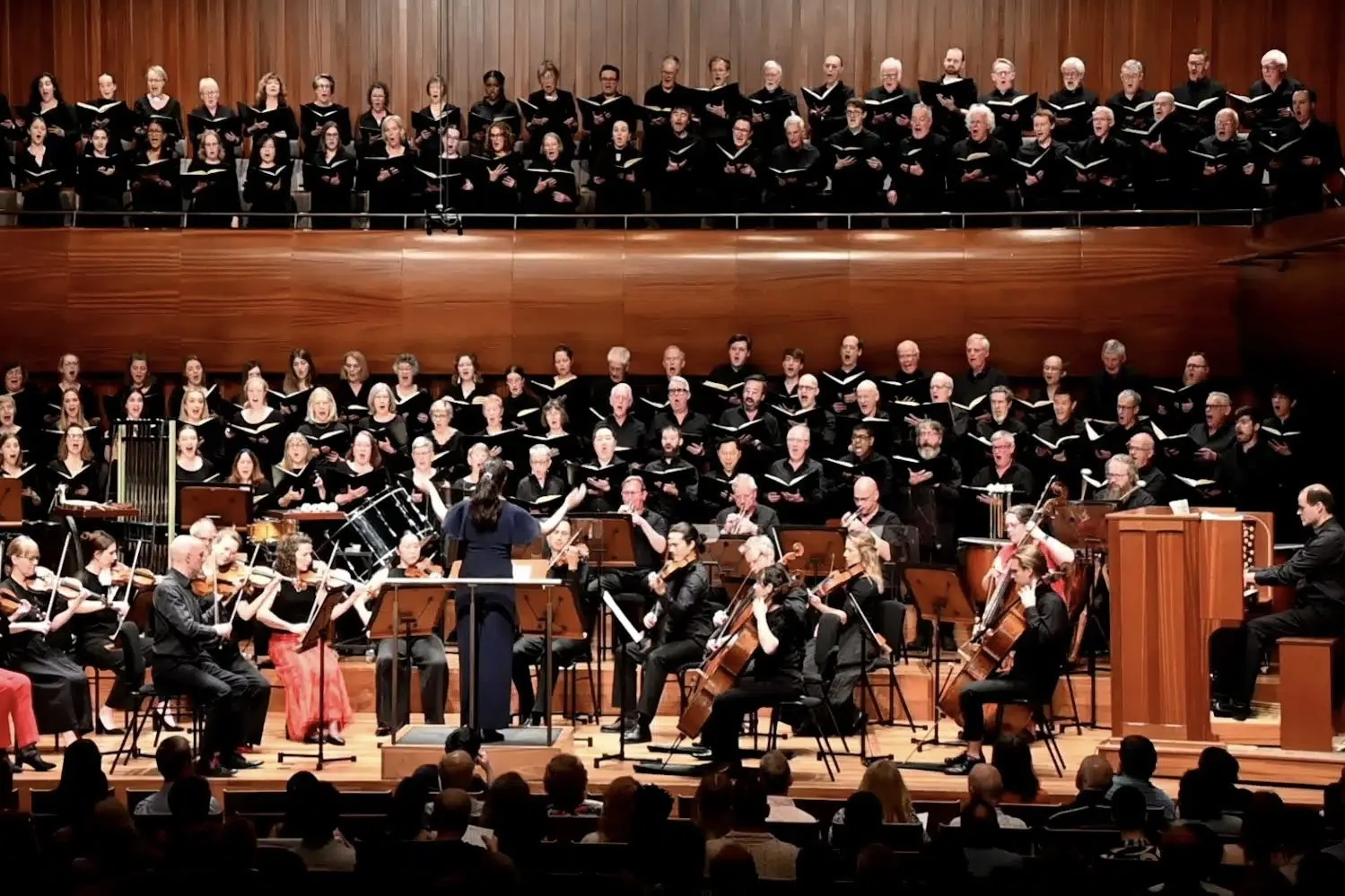
Mariana Rosas, London Symphony Chorus, and London Mozart Players
Photo: Robert Garbolinski
“An appealing, three-movement setting of poems by Shelley and Amy Lowell ...The gradual warming of ‘Radiance of Eternity’ from solo horn and softly plinking harp to pealing brass and slow, overlapping vocal lines, was beautifully handled. The blend and balance of the hymnodic ‘Hora Stellatrix’ were skilfully expressed (the charming little trumpet triplets on ‘tiptoe to hear’ were a nice touch), and the choral and orchestral textures in ‘O Night!’ (chiming tubular bells and brass; sliding trombones) added just the right amount of drama.”
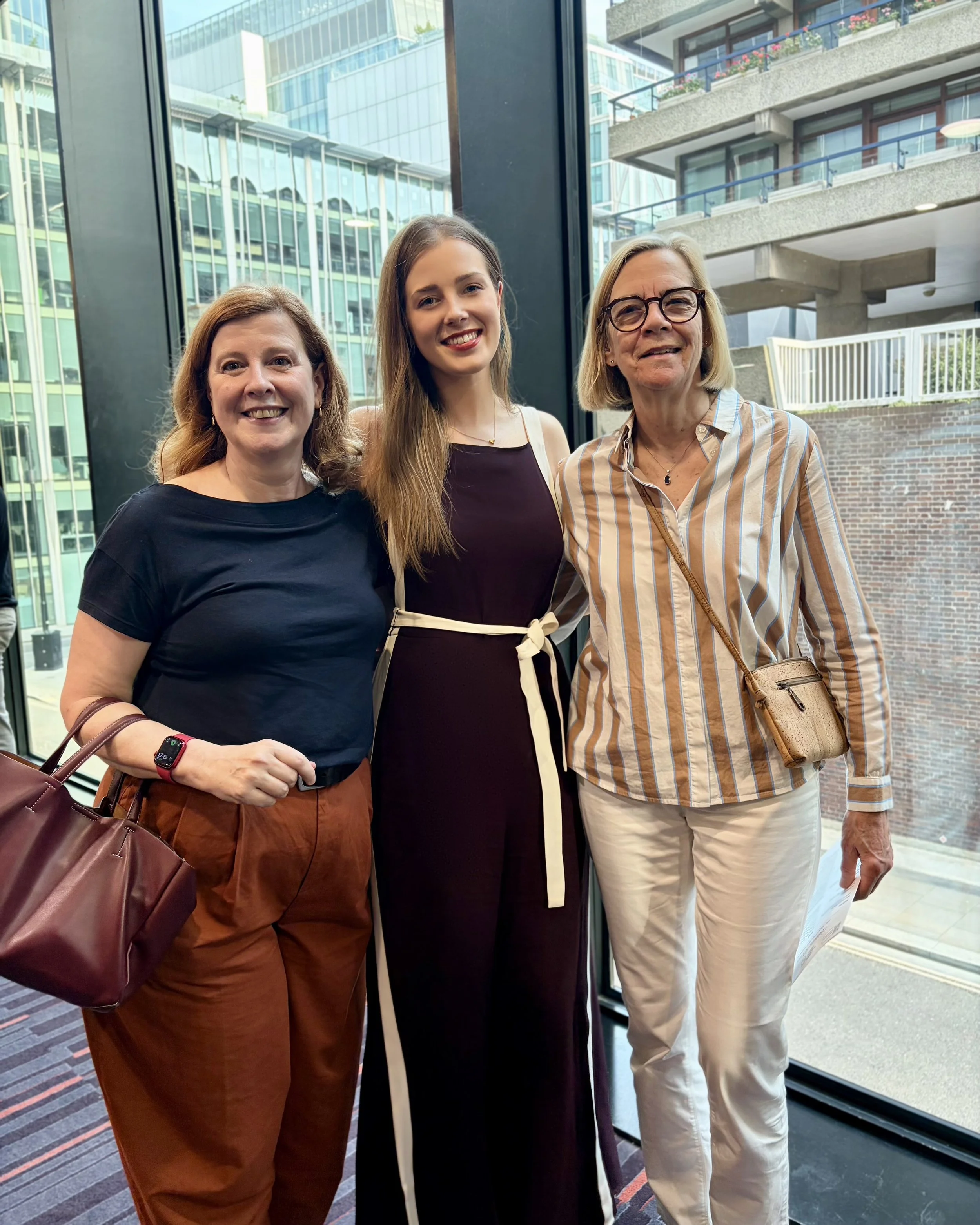
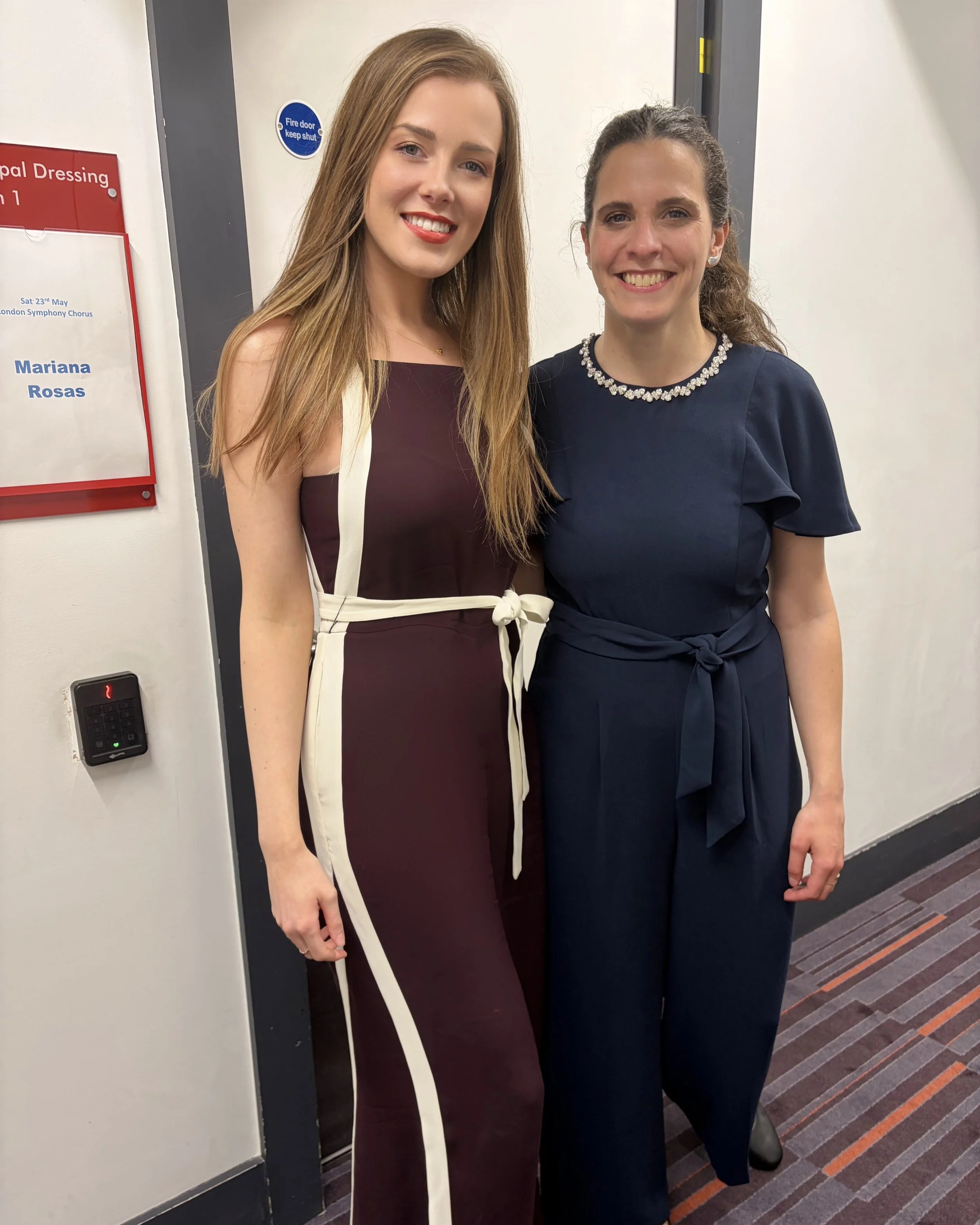
Emma Kerr, Grace-Evangeline Mason, Janis Susskind
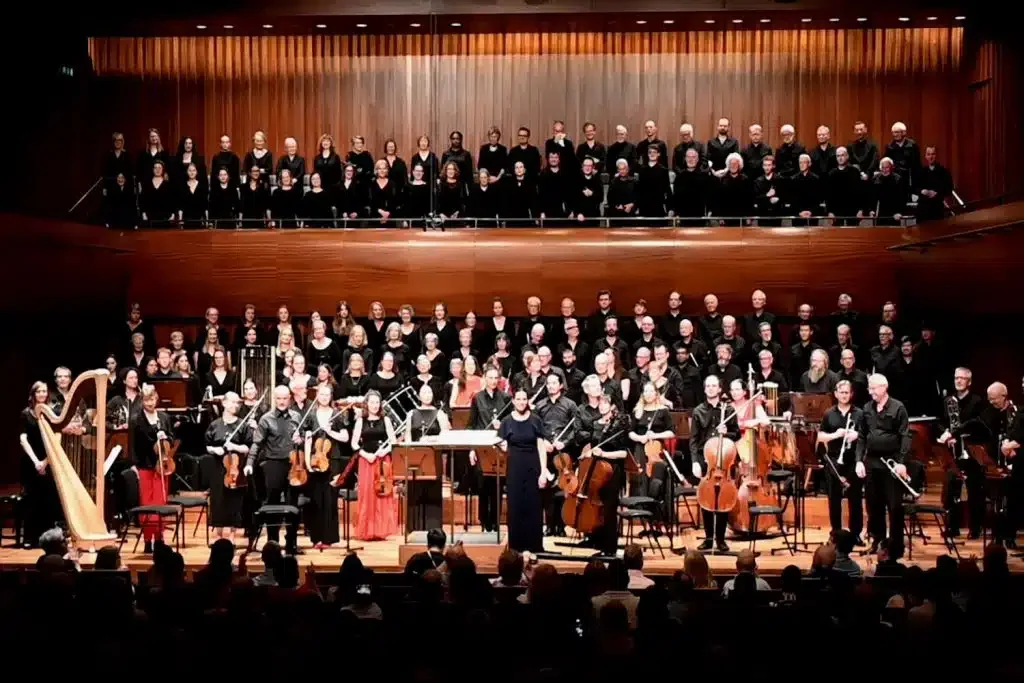
Mariana Rosas, London Symphony Chorus, and London Mozart Players
Photo: Robert Garbolinski
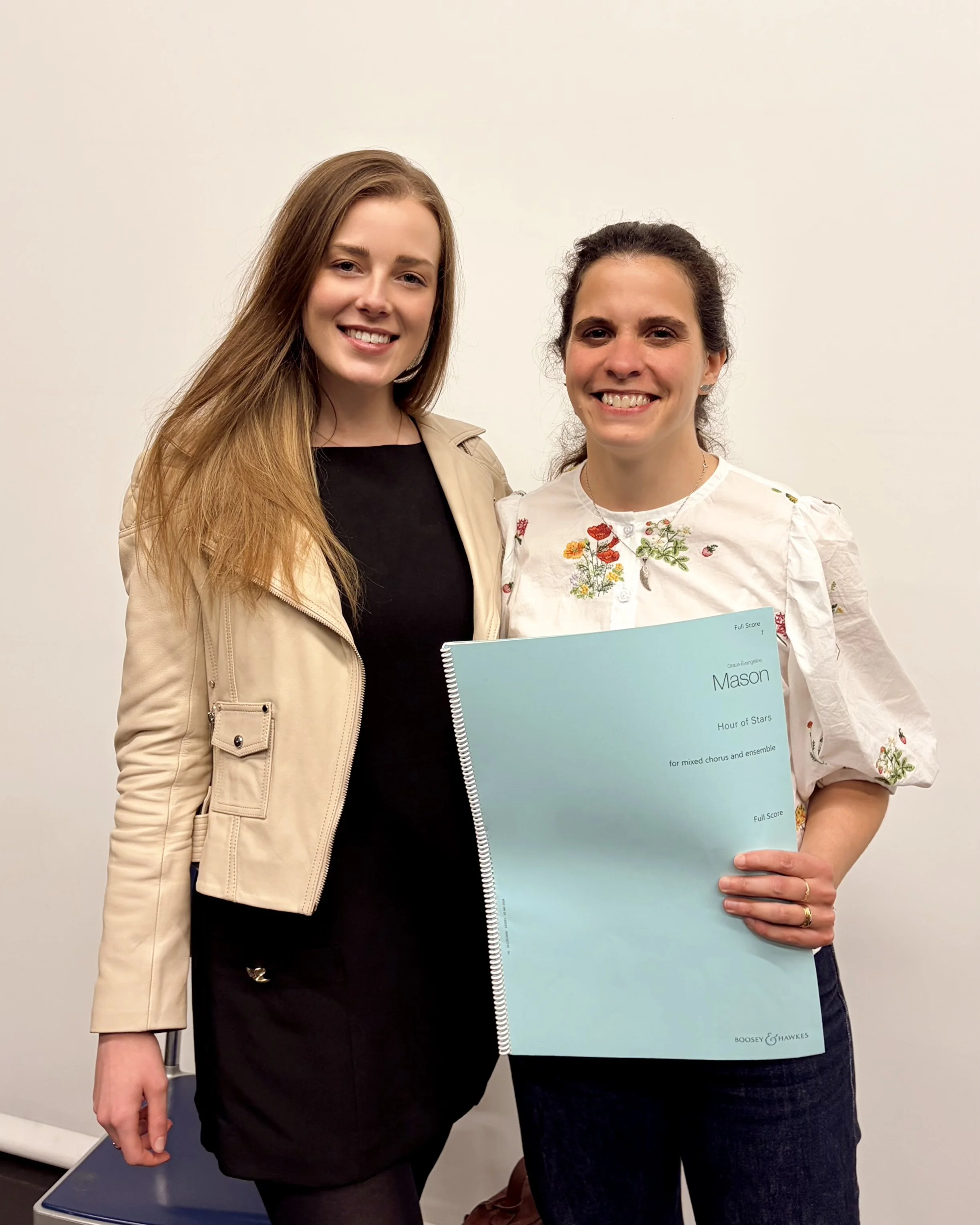
Grace-Evangeline Mason and Mariana Rosas, rehearsal, Sadler’s Wells
Hour of Stars
Hour of Stars (2026) for choir, harp, brass and tuned percussion, consists of three movements, or pieces, and was commissioned to celebrate the 60th anniversary of the London Symphony Chorus. The texts are taken from Amy Lowell’s poetry collection, A Dome of Many-Coloured Glass (1912), which Lowell titled after a line from Percy Bysshe Shelley’s poem, Adonais (1821).
The opening movement, Radiance of Eternity, is a setting of Shelley’s lines, ‘Life, like a dome of many-coloured glass, Stains the white radiance of Eternity,’ as quoted in Lowell’s dedication. The movement begins with delicate harp filigree over expansive, repeated choral and brass lines creating an atmospheric sound-world. The words are fragmented until the line is revealed in full.
This is followed by two movements setting words after two of Lowell’s poems from her collection. The second movement, Hora Stellatrix, meaning Star Hour, is a reflective and warm setting after Lowell’s poem of the same name beginning in acapella choir before it is joined together with brass and harp. The movement expands outwards at its conclusion by repeating the words ‘Hora Stellatrix’ over a prevailing, majestic texture in lower voices and brass reminiscent of a chorale.
The final movement, O Night!, is a setting of words after Lowell’s poem New York at Night. It begins with bold, punchy repetitions and brass interjections creating a bright and spirited sound, before the texture reduces to a soprano line supported by two trumpets. The piece ends with the words ‘this is the hour of stars’ with bell-like figures in harp, brass, and percussion. ©G.E.M.2026